Introduction
In the vibrant realm of healthcare, dysphagia-- frequently described as problem ingesting-- has become a substantial issue. This condition does not simply influence an individual's capacity to consume; it can result in serious problems such as malnutrition, dehydration, and desire pneumonia. Therefore, furnishing care staff with the required devices for managing dysphagia care certification training dysphagia properly is paramount.
In this detailed guide, we will certainly check out numerous facets of dysphagia monitoring, concentrating on dysphagia training for carers, dysphagia treatment training, and the relevance of structured training courses aimed at fostering expertise in this vital location. From understanding the fundamentals of dysphagia to implementing effective interaction approaches, this post aims to give a durable structure for care staff.
Understanding Dysphagia: What is It?
What Triggers Dysphagia?
Dysphagia can arise from numerous underlying problems such as stroke, neurological disorders, or perhaps structural irregularities in the throat or esophagus. Each instance is distinct, requiring tailored interventions.
The Relevance of Very early Detection
Recognizing dysphagia early can make all the distinction. Symptoms like coughing throughout dishes or a feeling of food getting stuck are indicators that should never ever be forgotten.

Types of Dysphagia
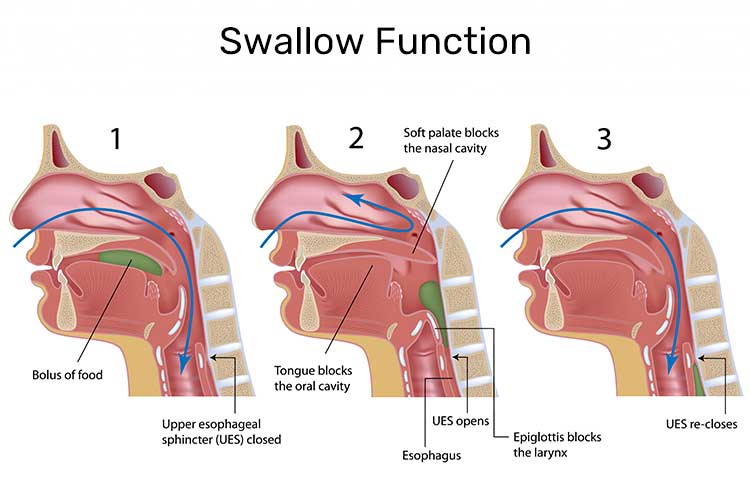
Dysphagia is generally categorized right into two primary types: oropharyngeal and esophageal dysphagia. Recognizing these distinctions is vital for suitable administration strategies.
Equipping Treatment Team with the Devices for Taking Care Of Dysphagia Effectively
Training Programs: The Backbone of Efficient Care
Implementing extensive training programs is critical for any treatment facility intending to give first-class assistance for homeowners experiencing dysphagia.
Components of Dysphagia Training Courses
These training courses frequently cover:
- Identification and assessment techniques Safe swallowing practices Nutritional considerations Emergency feedback protocols
The Role of Evidence-Based Technique in Dysphagia Support
Utilizing evidence-based methods makes certain that care staff employ techniques that have actually been scientifically shown to be effective.
Why Buy Dysphagia Training for Carers?
Enhancing High quality of Life
Effective management of dysphagia brings about improved lifestyle for individuals affected by it. Educated team can aid make certain safety and security throughout mealtimes and give emotional support.
Reducing Healthcare Costs
Proper training reduces dangers connected with dysphagia-- like medical facility readmissions-- thus decreasing general health care expenditures.
The Structure and Web content of a Dysphagia Training Course
Course Objectives
Most courses intend to attain certain purposes such as improving understanding about swallowing mechanisms and familiarizing team with numerous evaluation tools.
Interactive Learning Approaches
Incorporating interactive components like role-playing circumstances or simulations can considerably enhance the knowing experience for care staff.
Dysphagia Training for Nurses: A Specialized Focus
Unique Challenges Encountered by Nurses
Nurses frequently come across people with complex medical histories where dysphagia might be simply one aspect of their treatment. Specialized training furnishes them with the abilities needed to handle these complexities effectively.
Integration with Various other Clinical Protocols
Nurses need to be skilled at integrating dysphagia monitoring within broader clinical treatment strategies, ensuring natural patient care.
Creating a Safe Environment for Individuals with Dysphagia
Dining Considerations
Meal prep work must take into consideration texture-modified diets and suitable dish setups that cultivate comfort and safety during eating.
Supervision During Meals
Care personnel ought to be educated on how to supervise individuals while they eat, staying watchful for any type of signs of distress or problem swallowing.
Communication Approaches in Handling Dysphasia
Importance of Clear Communication
Effective communication in between care team and homeowners is important. Personnel must find out exactly how to explain nutritional restrictions plainly without creating anxiety about eating.
** Using Visual Aids
Visual aids can work as valuable devices when interacting crucial details pertaining to nutritional modifications or safe swallowing techniques.
Support Systems within Treatment Facilities
** Establishing a Multidisciplinary Team
Having a group that consists of speech therapists, dietitians, and nursing personnel cultivates an environment where thorough treatment thrives.
** Family Involvement
Engaging relative in discussions concerning their loved one's problem not only sustains emotional health however likewise produces a common understanding which can positively influence compliance with nutritional recommendations.
FAQs Concerning Taking care of Dysphasia
What are common signs of dysplasia?
Common signs and symptoms consist of coughing while consuming, problem managing food in the mouth, and regurgitation.
How can I recognize if a person has actually dysplasia?
Look out for changes in consuming routines, weight management, or issues concerning trouble swallowing.
Is there a certain diet regimen recommended?
Yes! Soft foods and thickened liquids are commonly suggested based upon specific evaluations by medical care professionals.

Can drugs influence ingesting ability?
Absolutely! Some medicines may create dry mouth or opposite side effects that affect ingesting comfort.
How commonly must training be updated?
Regular updates (at least annually) guarantee that treatment team stay notified concerning finest practices connected to dysplasia management.
li10/ol1/hr2hr2/##
This write-up works as an extensive resource aimed at fostering understanding among caretakers regarding taking care of dyspraxia effectively with correct training efforts while likewise giving workable insights into creating helpful atmospheres for recovery.